Search
Approachable recipes with clear steps for real everyday kitchens.
41 result(s)
No results. Try fewer words or a longer duration.
Read next
Cook vegetables well
Pan-fry in small batches for browning. In the oven, spread pieces apart and turn halfway. For steaming, cut evenly and check tenderness with a knife rather than relying only…
Season with confidence
Taste before salting. Try a few drops of lemon in a heavy dish or water in an over-reduced sauce. Test changes on a small portion first. Adding more spice will not fix burnt…
A useful pantry
Cooked chickpeas, canned tomatoes and pasta support curry, hummus and tomato sauce. Tahini adds sesame to hummus; soy sauce seasons broth. Read labels because products in…
Plan a week of meals
Choose shared components: tomato sauce for pasta and shakshuka, cooked chickpeas for curry and hummus. Keep finishes separate: basil at serving, eggs cooked last and toast…
Cook with the seasons
In mainland France, tomatoes, courgettes and peppers are summer produce; apples and pears cover another seasonal window. The Manger Bouger calendar gives monthly guidance.…
Storing food and leftovers
Divide large amounts into small containers for cooling. Do not leave cooked dishes at room temperature for over 2 hours. Check that the coldest fridge zone is between 0 and…
Understanding times and measures
Preparation means work before cooking. Total adds cooking and stated rests: 10 minutes for pancakes, 60 minutes proofing for pizza and 180 minutes chilling for mousse.…
More content to search
Ingredients
Tomatoes: fresh, chopped or strained
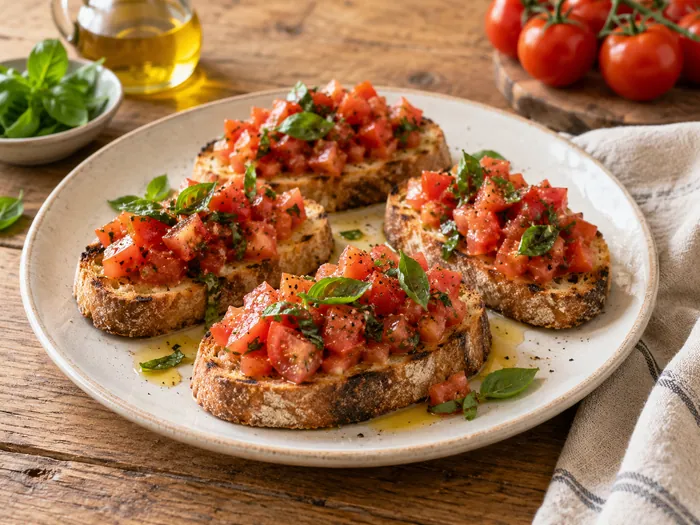
Tomatoes play different roles on toast, in sauce and on pizza. Their moisture determines how to prepare them.
Ingredients
Chickpeas: from jar to hummus
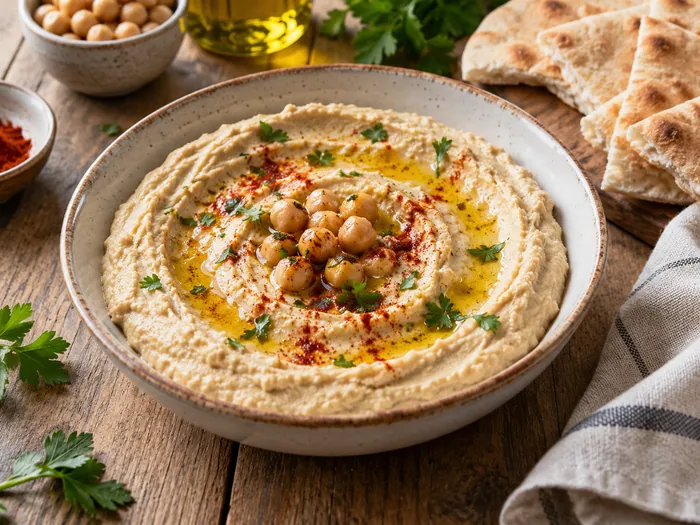
Cooked chickpeas can remain whole in curry or become a smooth dip. Tenderness makes the difference.
Ingredients
Eggs: binding, whipping and cooking
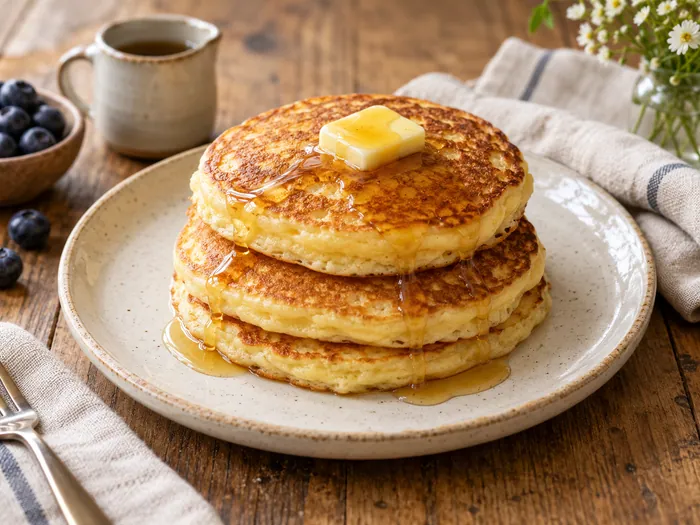
Eggs bind tortilla, aerate mousse and help form pancake batter, besides serving as toppings.
Ingredients
Wheat flour: choose for the dough
Flour, water and mixing create different doughs. Kneaded pizza dough is not treated like pancake batter.
Ingredients
Chocolate: melting and texture
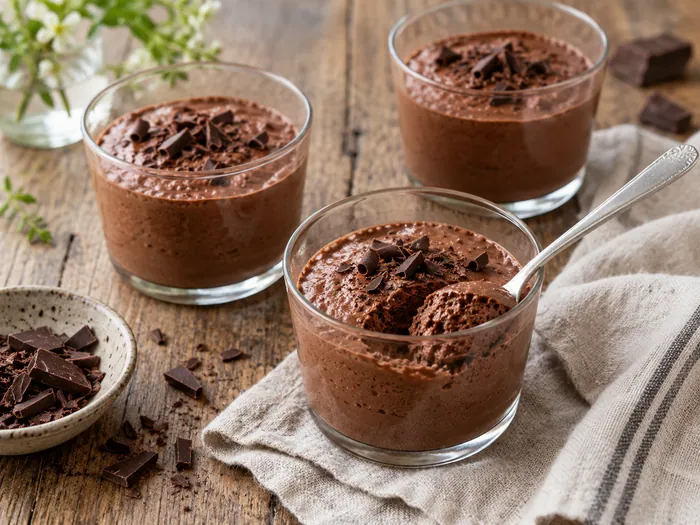
Chocolate contributes flavour and structure to mousse. Its mixing temperature matters as much as the bar chosen.
Ingredients
Mozzarella: control pizza moisture
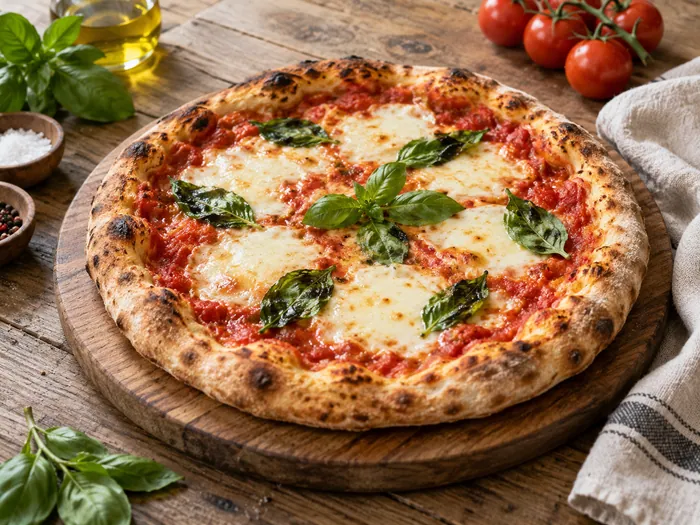
More topping is not always better. Both mozzarella and sauce bring liquid to pizza dough.
Ingredients
Potatoes: prepare an even tortilla
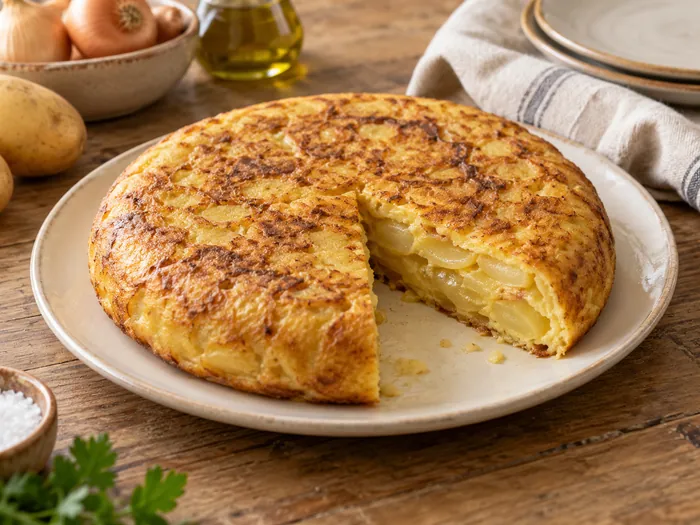
Tortilla needs tender potatoes before eggs are added. Cutting and pan size affect evenness.
Ingredients
Mushrooms: texture in a broth
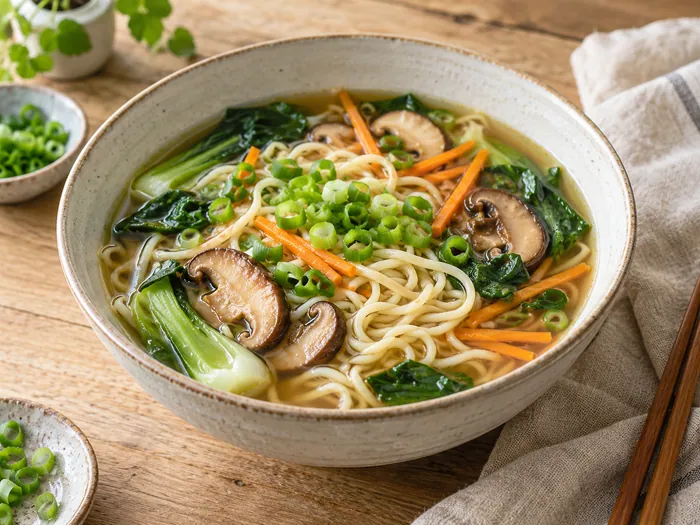
In ramen, mushrooms provide both topping texture and flavour. Slice thickness affects cooking.
Ingredients
Courgettes: water and structure
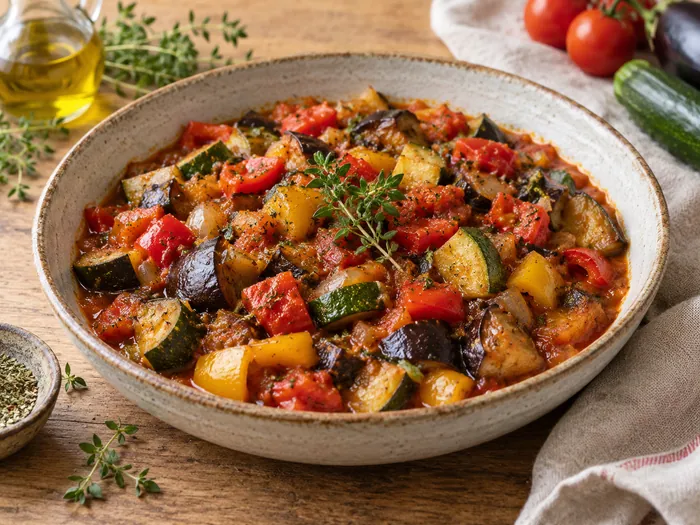
Courgettes add volume and tenderness to ratatouille. Cooking in batches helps preserve pieces rather than a purée.
Ingredients
Aubergines: make the flesh tender
Aubergine needs enough cooking to lose a spongy texture. Watch both oil distribution and tenderness.
Ingredients
Apples: prepare a tart filling
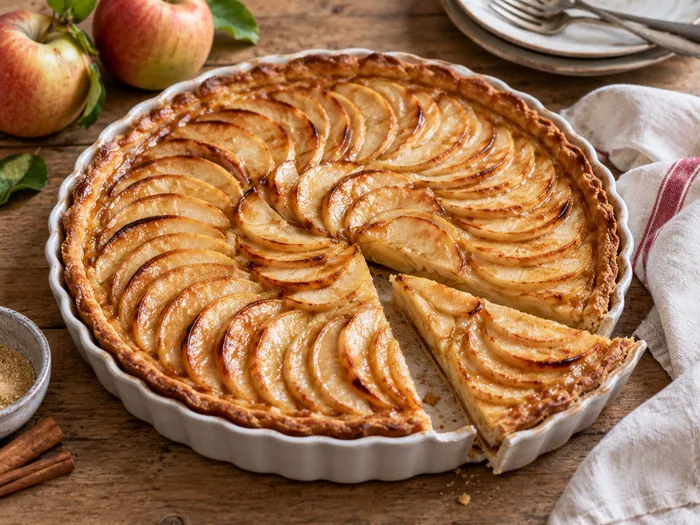
Sliced apple tart needs evenly cooked fruit without soaking the pastry. Cutting and layer thickness make the difference.
Techniques
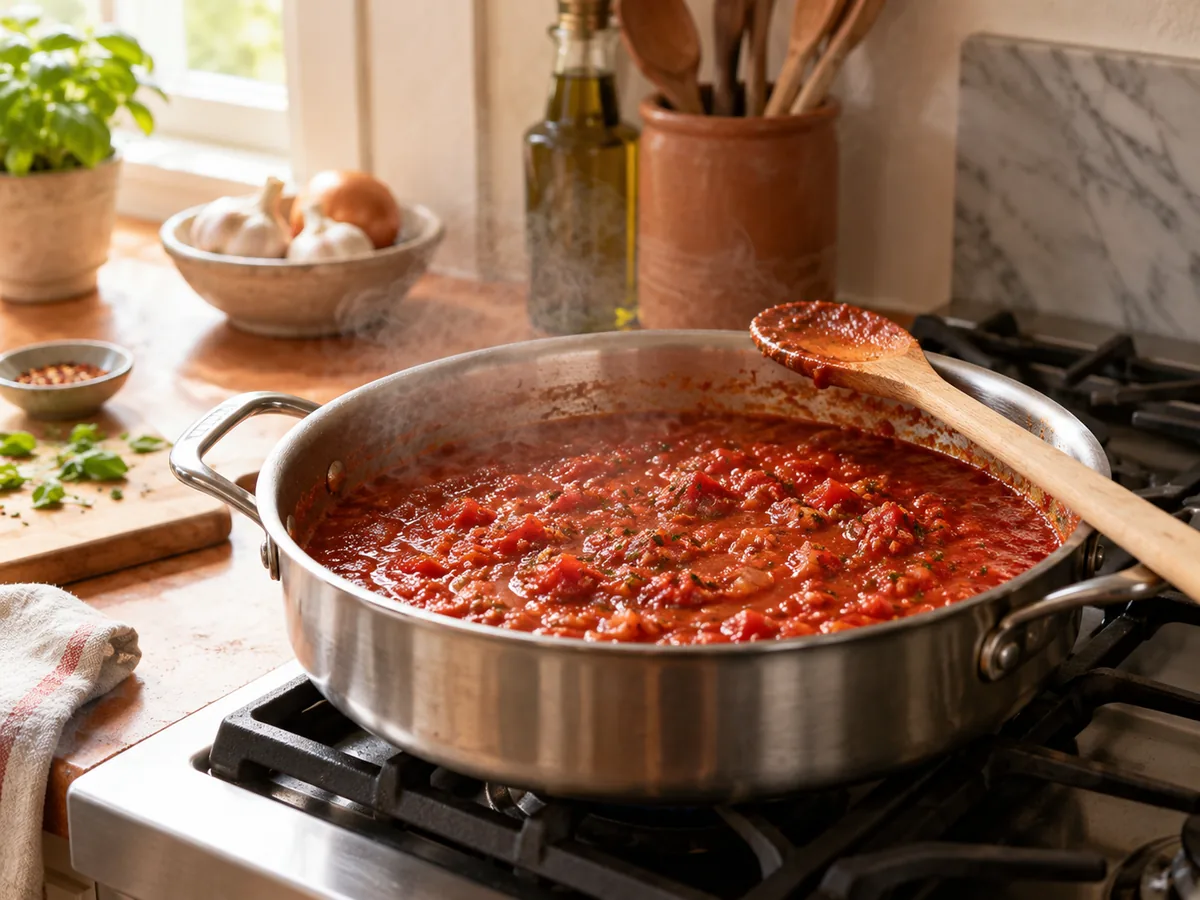
Reduce and adjust tomato sauce
Reduction evaporates liquid rather than requiring a thickener. The desired result depends on the dish.
Techniques
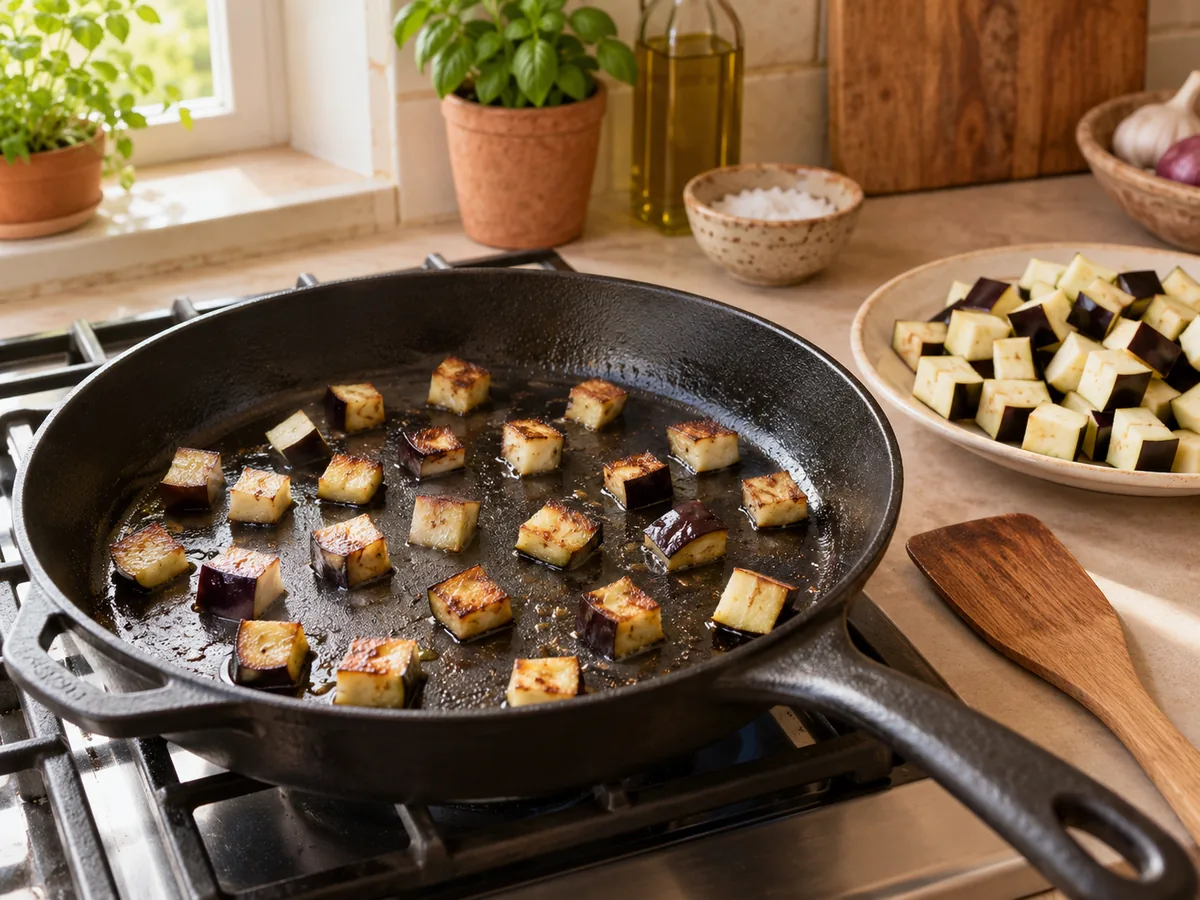
Pan cooking: browning or softening
Pan cooking has different goals. Browning vegetables and softening tortilla potatoes need different settings.
Techniques
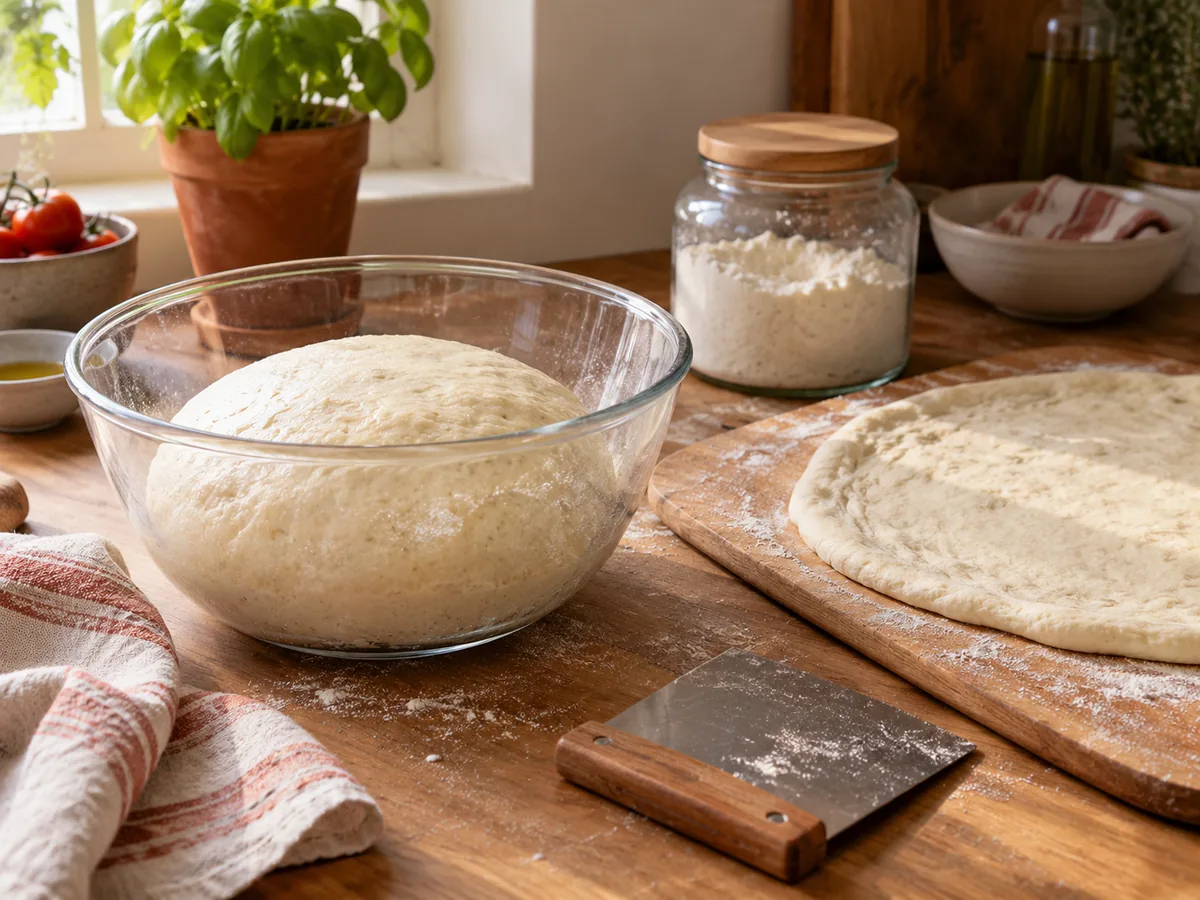
Pizza dough: knead, proof and stretch
Judge yeasted dough by its progress, not just the clock. This catalogue pizza uses 500 g flour and 325 ml water.
Techniques
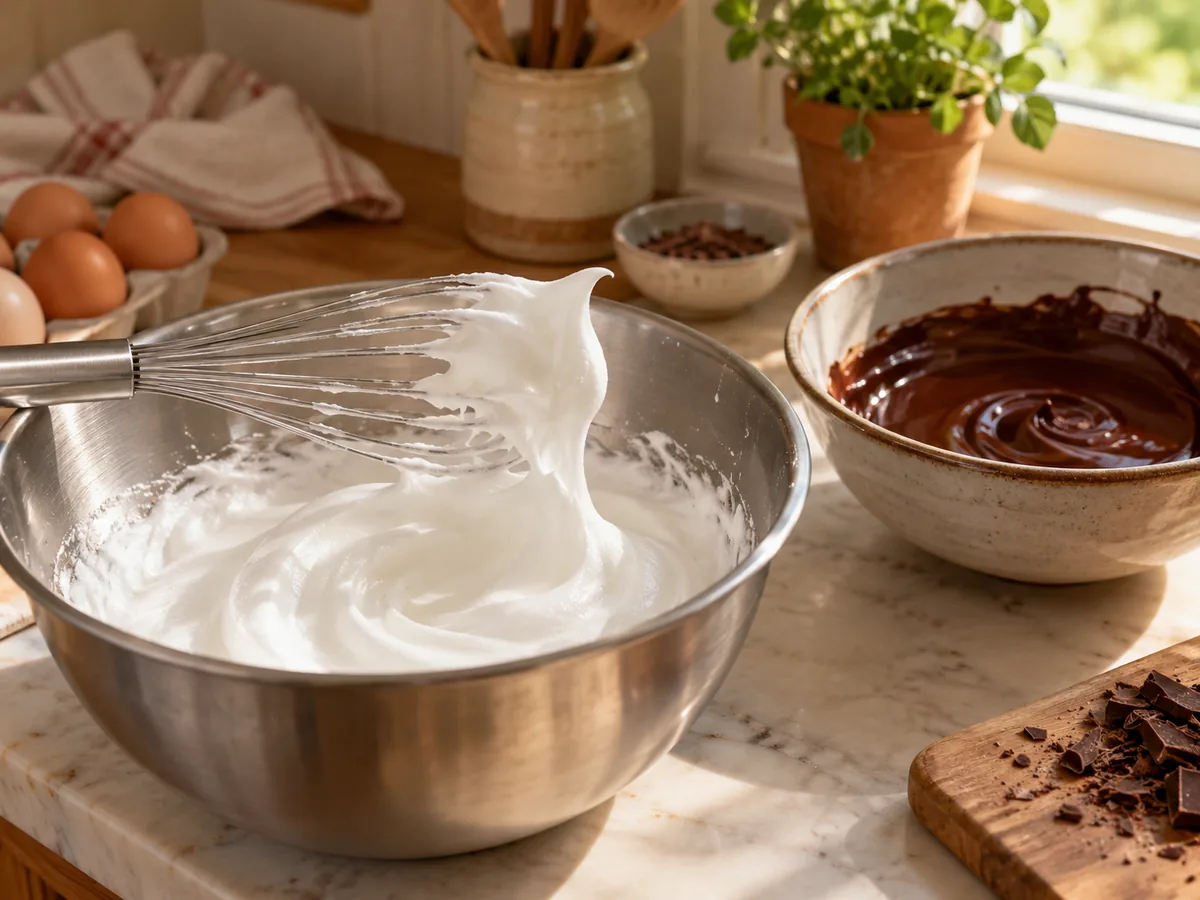
Whip and fold egg whites
Preserve the air introduced by whisking. Chocolate consistency matters as much as the whites.
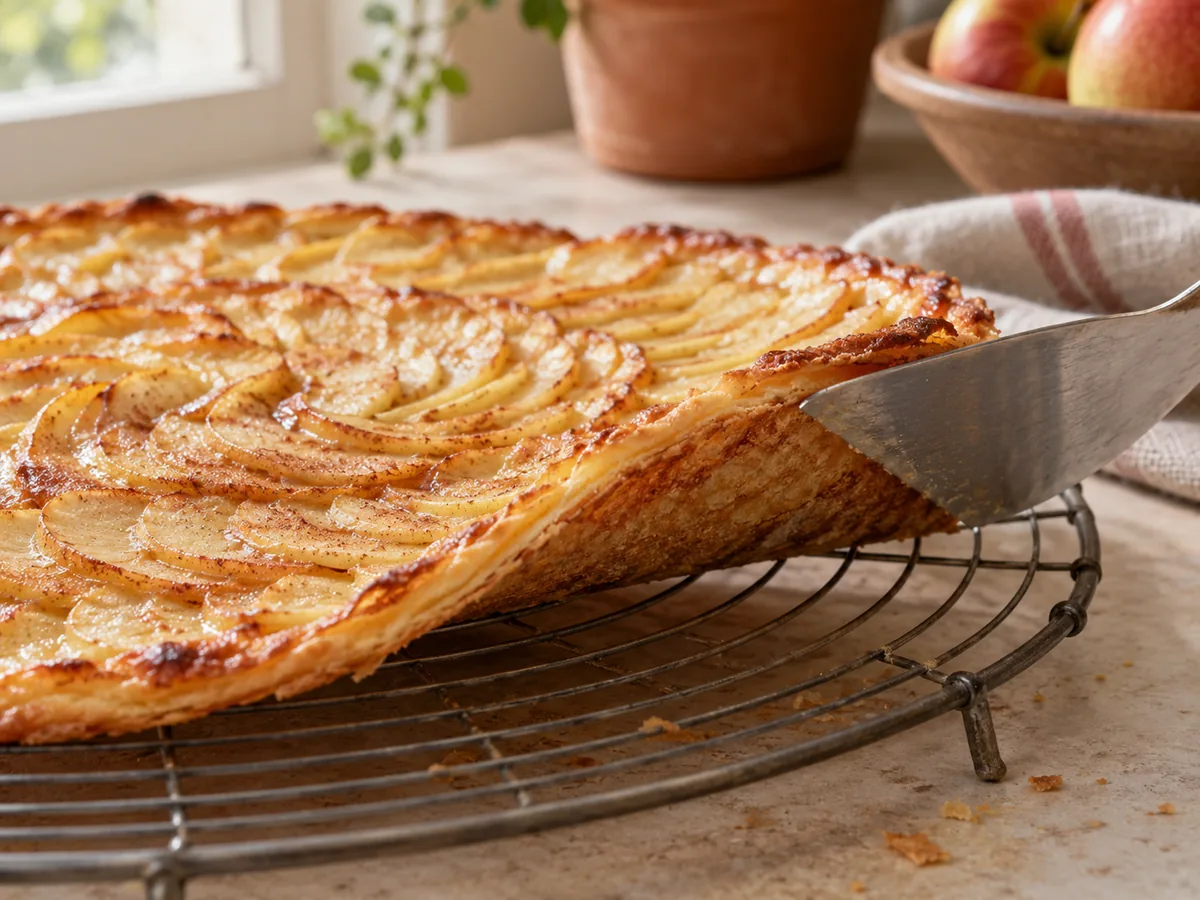
Techniques
Avoid a soggy apple tart
A golden top does not guarantee a cooked base beneath moist fruit.
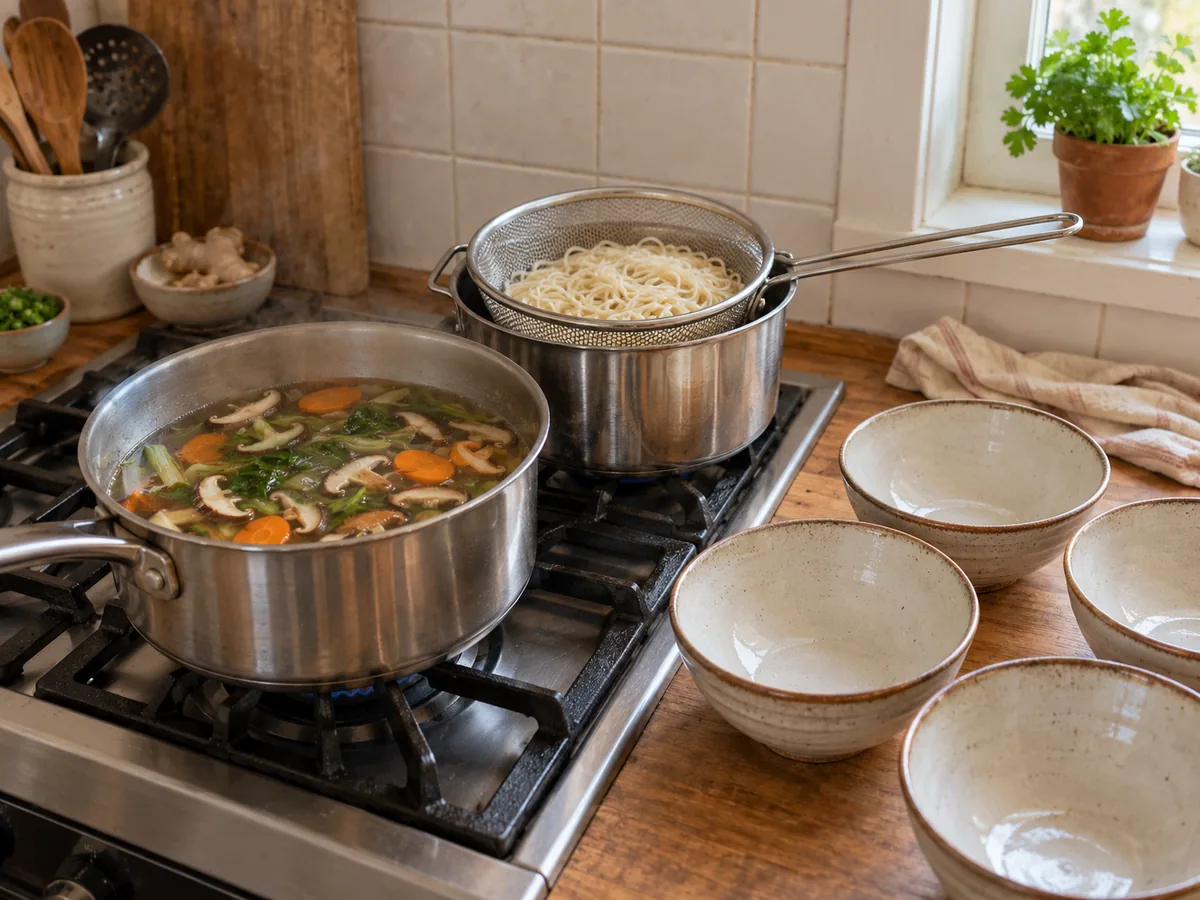
Techniques
Coordinate broth, vegetables and noodles
Serve ramen immediately after assembly: noodles keep absorbing broth.
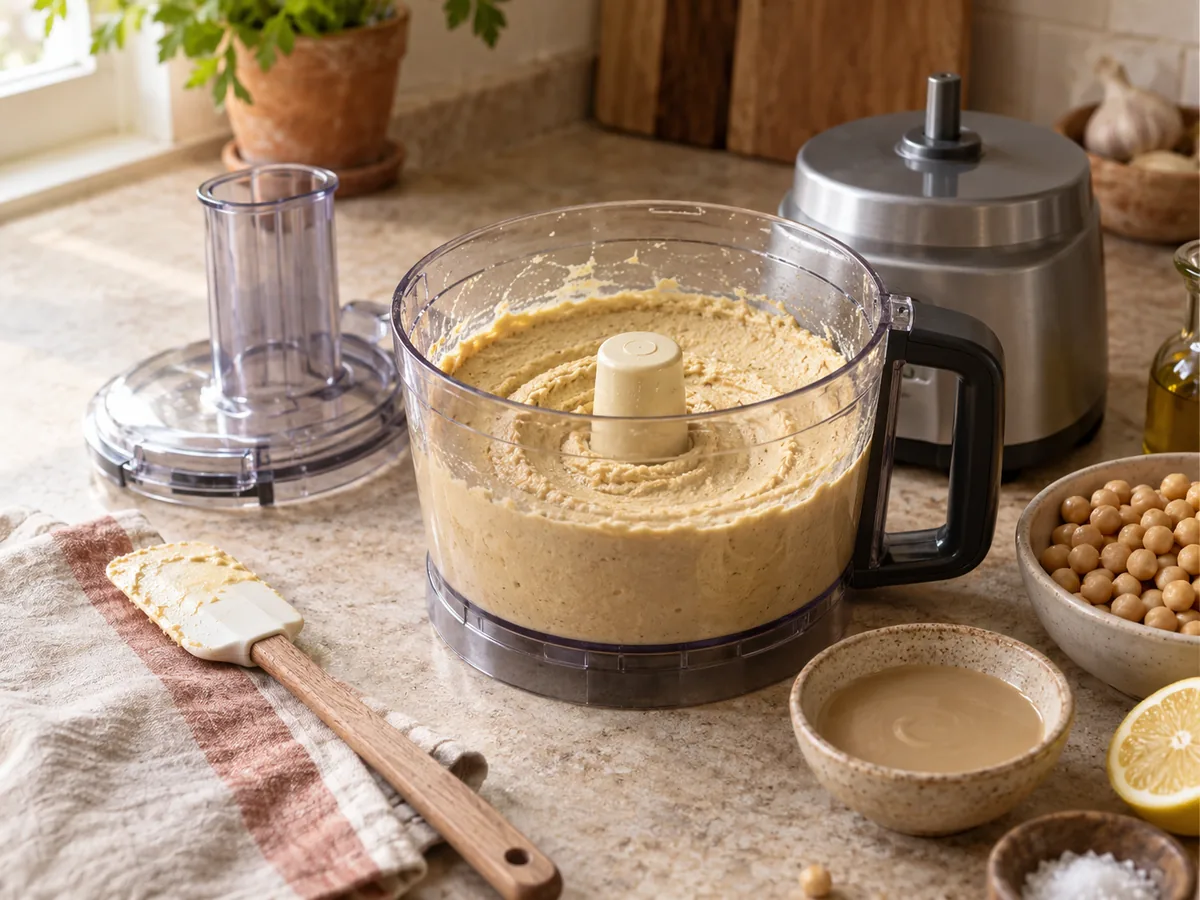
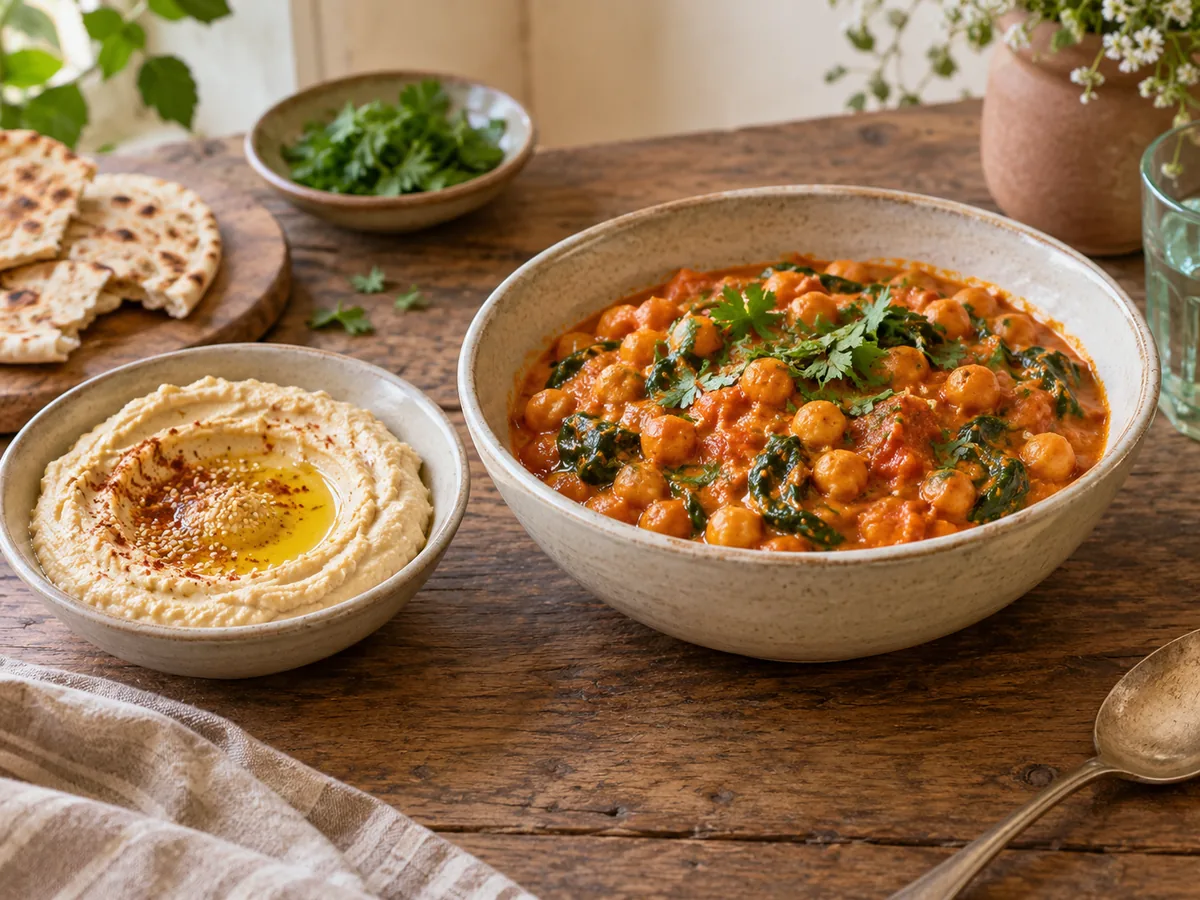
Menus
Pantry meal: hummus and curry
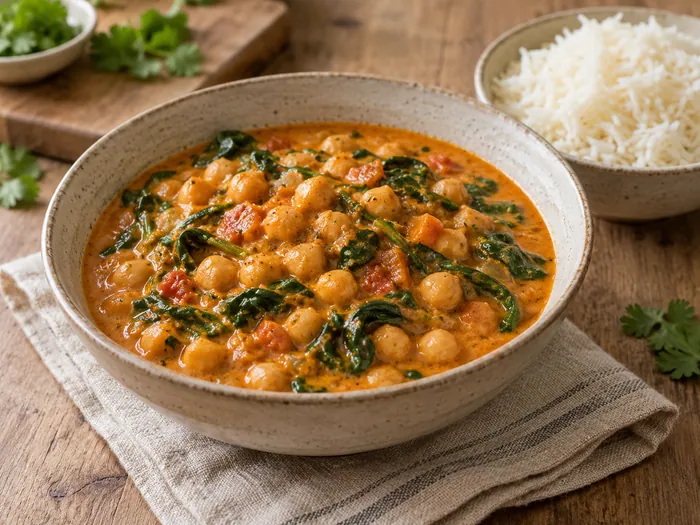
Cooked chickpeas become a cold blended starter and a warm simmered main.
Menus
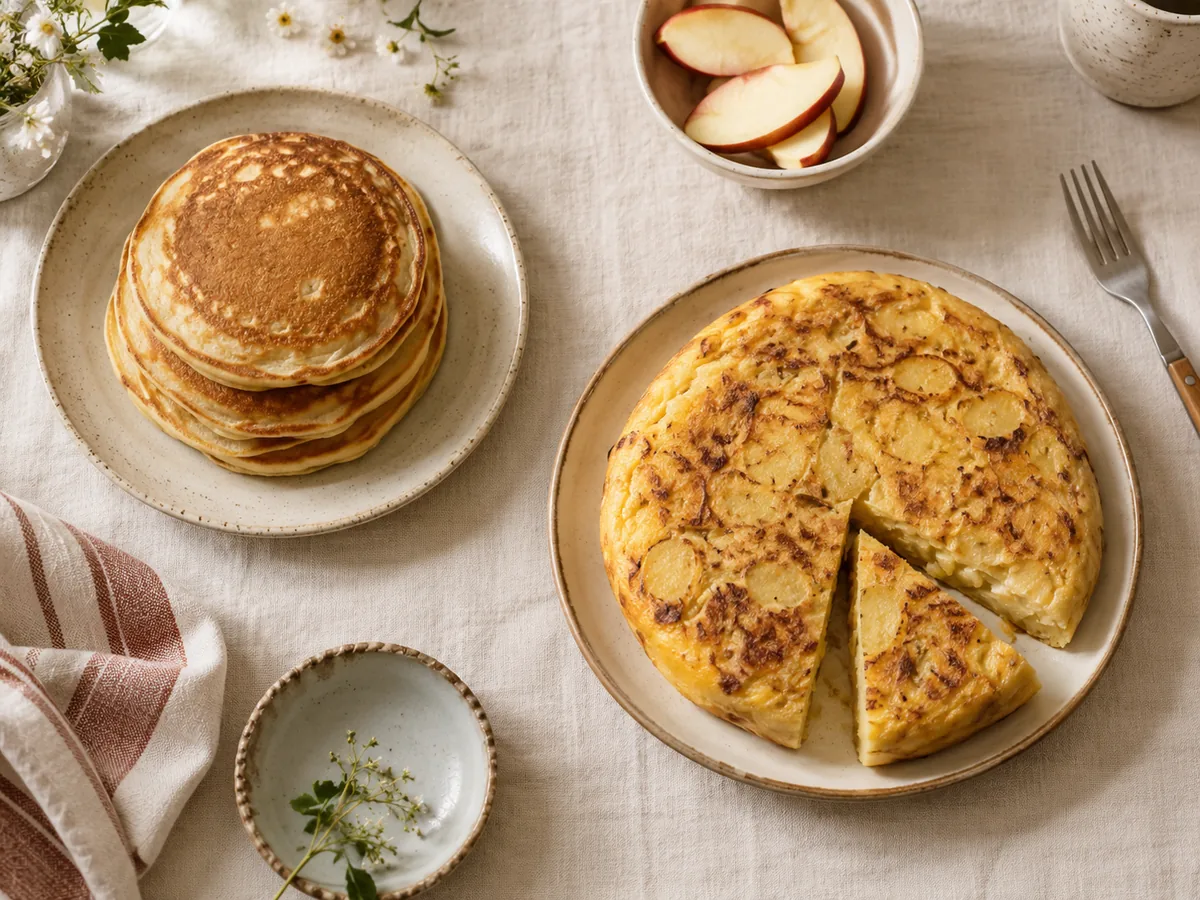
Brunch: pancakes and tortilla
Pair sweet pancakes with potato omelette and coordinate pan cooking.
Menus
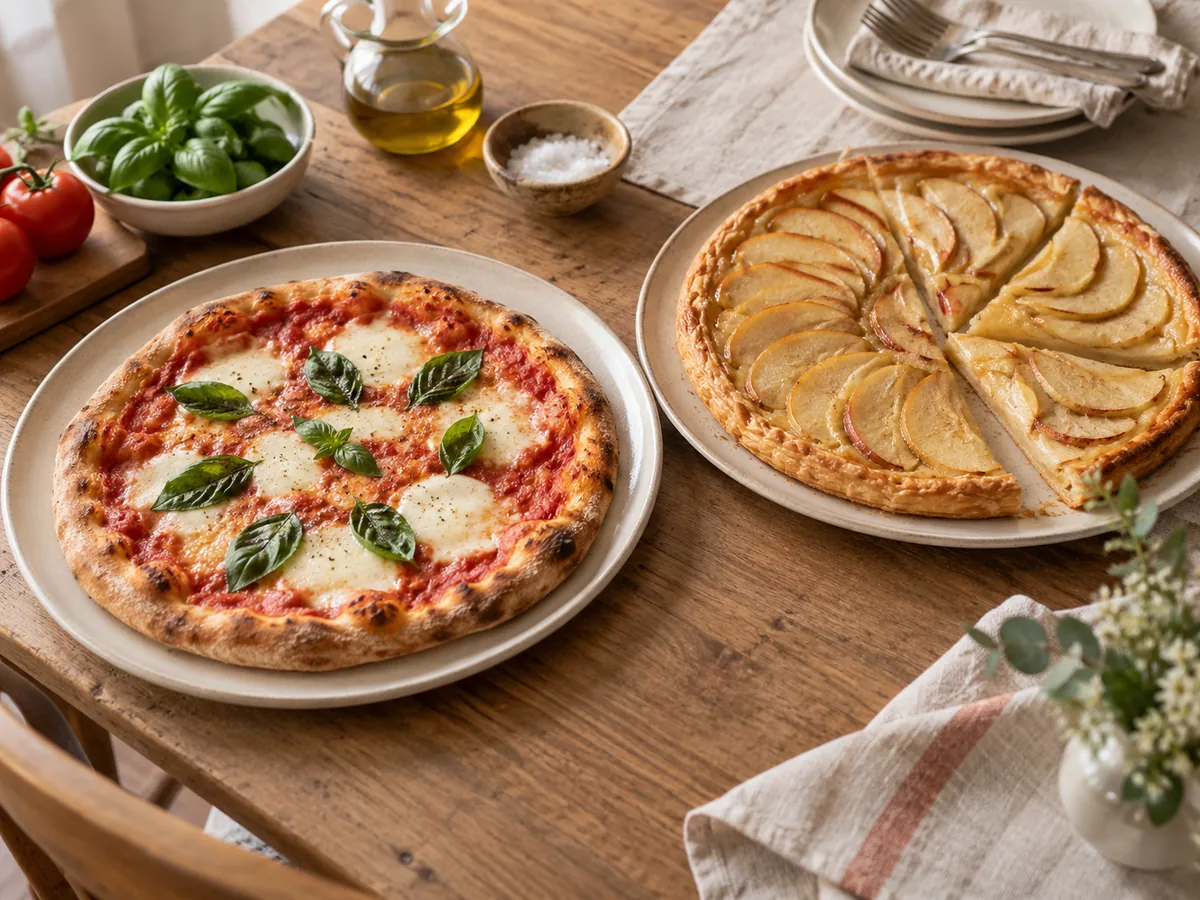
Oven evening: pizza and apple tart
Coordinate temperatures and resting times to use one oven for dinner and dessert.
Menus
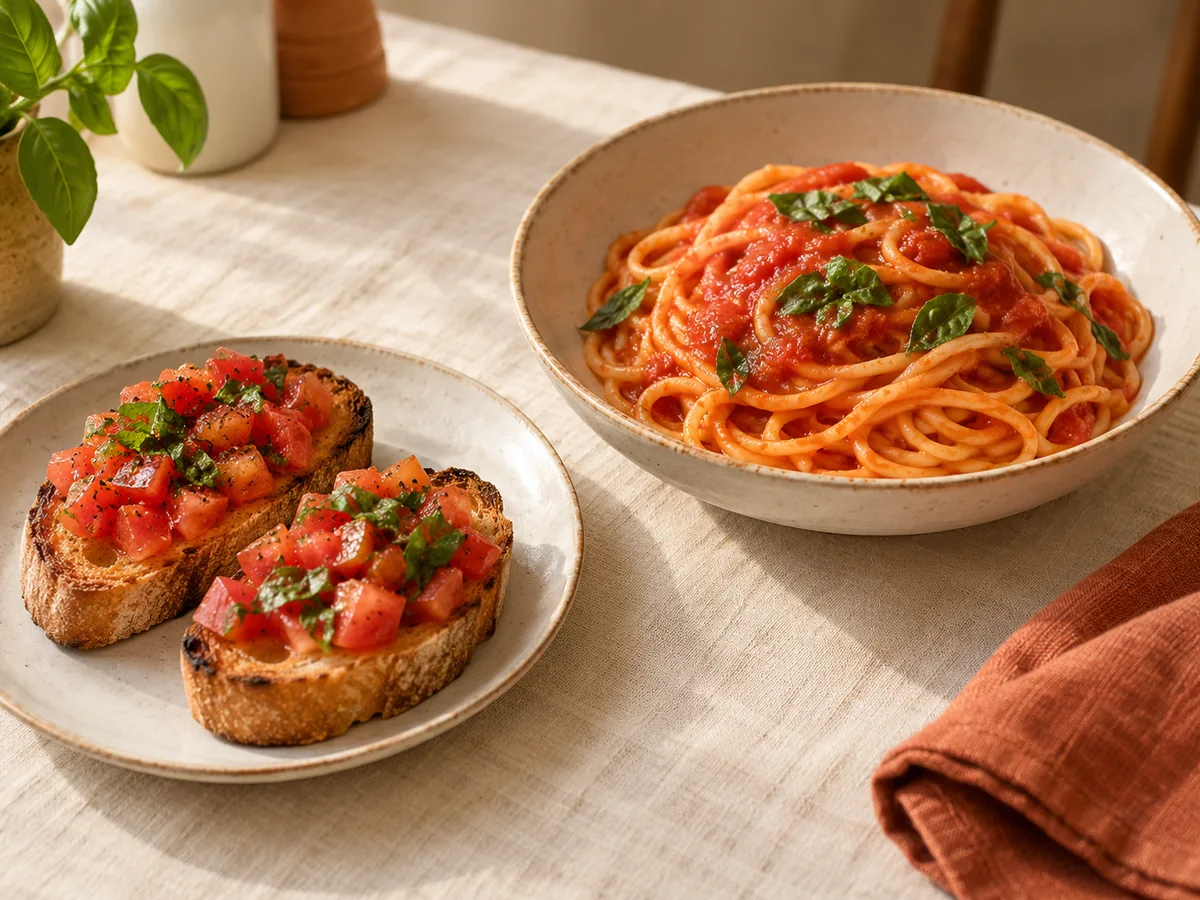
Tomato and basil: bruschetta and pasta
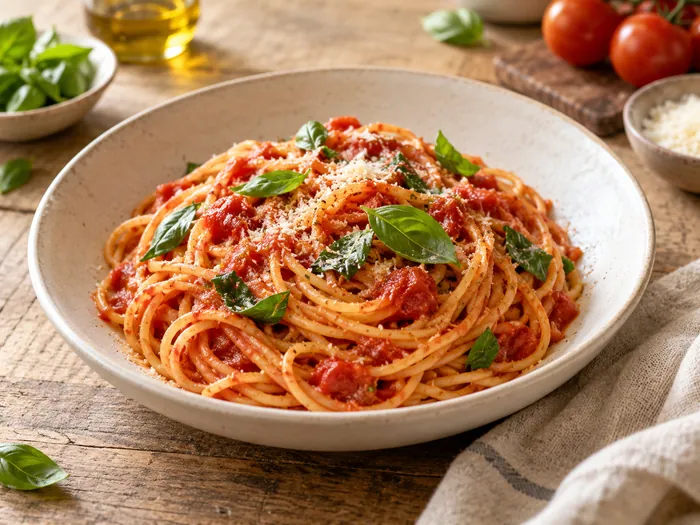
Tomatoes need two textures: fresh dice on toast and sauce coating pasta.
Practical guides
Adjust servings and cooking batches
Scale ingredient quantities, then choose suitable cookware and batches.
Calculate meal cost using your prices
Compare the cost of ingredients used, with prices you enter yourself.
Replace ingredients by their role
Distinguish simple topping swaps from changes that need a different recipe.
Carrots: cut, cook and blend
Choose the cut for broth, skillet cooking or blended soup.
Red lentils: thicken soup without cream
Split lentils soften and break down for blended dishes.
Carrot and red lentil soup
A blended soup without cream, thickened with red lentils, for four servings.
Explore further
Recipes in 30 minutes or less
Compare total time rather than cooking alone. Prepare ingredients before starting. More servings may need extra batches.
Recipes without an oven
No oven does not mean no cooking or waiting. Check available burners and add a cold preparation to free space on the hob.
Pantry recipes
The chickpeas are already cooked; red lentils are weighed dry. Check drained weights and the water required before starting.
Recipes with tomatoes
For bruschetta, use fresh tomatoes and drain their juice. Canned tomatoes suit sauces where the recipe allows. Watery tomatoes need more reduction.
Homemade brunch
Prepare dishes that can wait first. Cook pancakes near serving time and top toast at the last moment. Adjust portions when combining dishes.
Homemade desserts
Mousse needs chilling and tart needs oven time. Pancakes cook in batches. Compare total time to choose a dessert that fits your meal.
Explore further
Potato and mushroom skillet
Precooked potatoes browned with mushrooms and onion, using a saucepan and a frying pan instead of an oven.
Courgette and mozzarella bake
A cream-free vegetable bake with precooked courgettes to reduce the liquid at the bottom of the dish.
Simple tomato and red lentil dhal
A home version using dry red lentils, canned tomatoes and spices. Rice or bread is prepared separately.
Homemade apple compote without added sugar
Apples, a little water and gentle cooking for a compote you can leave chunky or blend smooth.
Chickpea, tomato and cucumber salad
A no-cook salad using already cooked chickpeas, crunchy vegetables and a lemon dressing.
Carrot patties in a frying pan
Finely grated carrots bound with eggs and flour, cooked as small patties of even thickness.
Cooking without an oven: choose the dish and method
Plan a meal with a pan, a saucepan or cold preparations instead of converting an oven recipe blindly.
Cooking frozen vegetables without a watery result
Adjust liquid, batch size and finishing time to the dish you are making.
Watery sauce: reduce, thicken or change the assembly
Find the source of excess liquid before correcting texture and overcooking the dish.
Cooking for two: quantities, smaller pans and leftovers
Scale ingredients, then adjust equipment and shopping so half-used packages have a planned purpose.
Cooking in a small space without cluttering the worktop
Organise ingredients, utensils and hot cookware when space is limited.
Choosing cookware for everyday recipes
Select vessels by usable surface, depth and the cooking task.
Coordinating several dishes to serve together
Work backwards from serving time, allowing for rests, long cooking and delicate finishing.
Building a pantry meal from what you have
Choose a base, texture and seasoning before buying extra ingredients.