Ingredients

Mozzarella: control pizza moisture

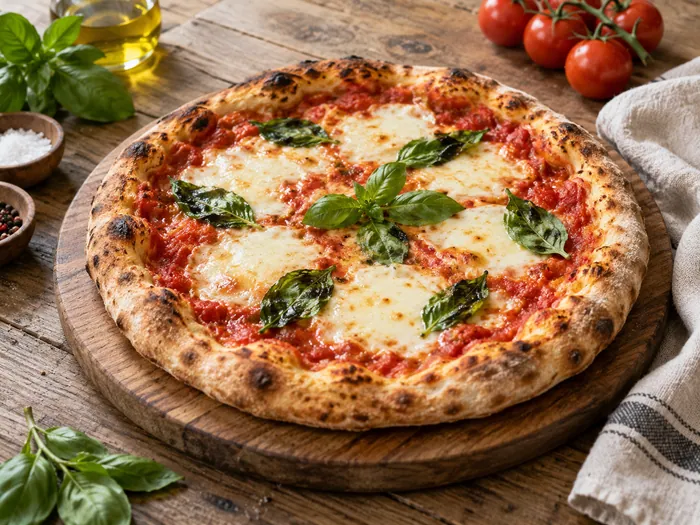
More topping is not always better. Both mozzarella and sauce bring liquid to pizza dough.

Mozzarella: control pizza moisture
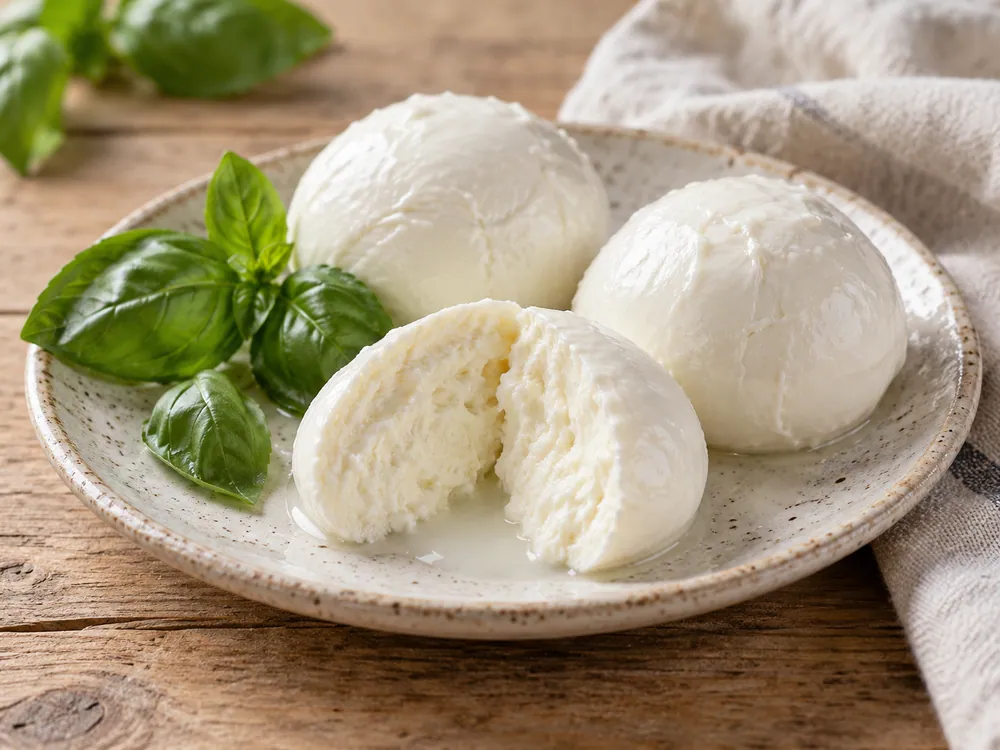
Illustrative image

Choosing the product

Distinguish mozzarella stored in liquid from drier cooking products. Read composition rather than only the name. Milk remains relevant to this recipe.

Preparing and using it

Drain, slice and gently pat dry. Distribute without creating a thick blanket. Prepare during proofing so topping does not delay baking.

Substitutions and adaptations

Another melting cheese changes flavour, fat and moisture. Plant-based toppings behave differently too: observe baking and adjust the quantity.

Mistakes to avoid

Do not pour storage liquid onto pizza. A wet centre calls for less topping and proper preheating; extra cooking alone may dry edges without fixing the cause.
Frequently asked questions

Why is the pizza wet in the middle?

Mozzarella packed in liquid can release water. Drain, pat dry and space the pieces. Also check sauce thickness and the base: cheese is not the only source of moisture.

Explore further

Courgette and mozzarella bake

Courgette and mozzarella bake

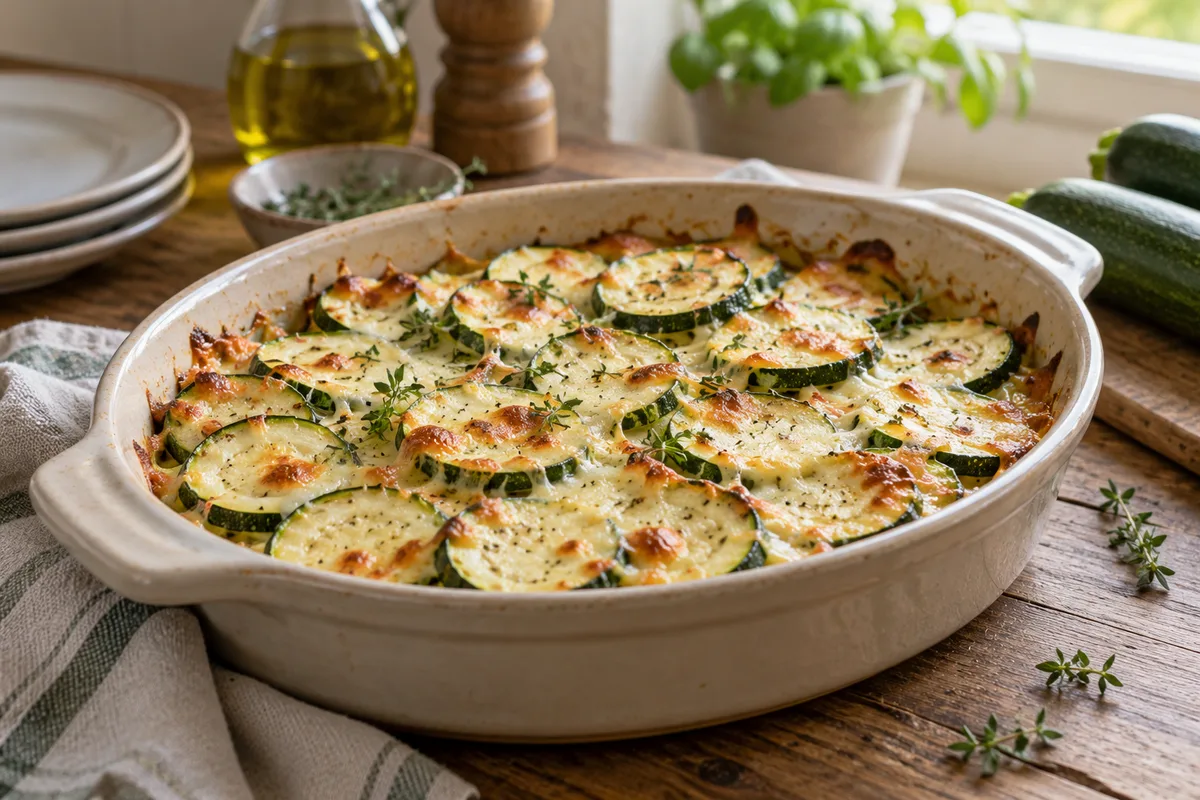
A cream-free vegetable bake with precooked courgettes to reduce the liquid at the bottom of the dish.

50 min·4 servings
Food composition · Ciqual 2025

Minerals and vitamins: choose the right reference

Anses average values per 100 g of edible food. Each entry describes a specific form, not an analysis of your product or recipe.

Cow’s and buffalo milk have separate entries. Weigh the cheese used without automatically adding the packet’s liquid.

On a small screen, scroll the table horizontally. With a keyboard, focus the table and use the arrow keys.

Minerals, in milligrams · per 100 g
Constituent and unitCow’s milk mozzarella
Ciqual 19590
Buffalo milk mozzarella
Ciqual 19591
Sodium (mg)240197
Calcium (mg)598260
Magnesium (mg)209.8
Potassium (mg)7617
Iron (mg)0.440.11
Zinc (mg)2.922.1
Vitamins: check the units · per 100 g
Constituent and unitCow’s milk mozzarella
Ciqual 19590
Buffalo milk mozzarella
Ciqual 19591
Vitamin C (mg)00
Total folates (DFE) (µg)Not reportedNot reported

Compare these entries and two ingredient weights

Milligrams, micrograms and missing data

1 g = 1,000 mg; 1 mg = 1,000 µg. Folates use µg; minerals and vitamin C use mg. Check units before comparing numbers.

Vitamin B9 uses only total folates as dietary folate equivalents (DFE), code 56702. Missing data stays missing even if another folate field exists. Intrinsic folates and added folic acid do not replace this total.

“<” is a bound, “trace” is unquantified and “Not reported” means missing data. None is converted to zero. A published zero does not certify allergen absence. Values describe neither absorption nor individual requirements.

French source labels and Ciqual codes
  • Mozzarella au lait de vache · 19590
  • Mozzarella au lait de bufflonne ou buflesse ("di bufala") · 19591
  • Sodium (mg/100 g) · 10110
  • Calcium (mg/100 g) · 10200
  • Magnésium (mg/100 g) · 10120
  • Potassium (mg/100 g) · 10190
  • Fer (mg/100 g) · 10260
  • Zinc (mg/100 g) · 10300
  • Vitamine C (mg/100 g) · 55100
  • Vitamine B9 ou Folates totaux, équivalents folates alimentaires, DFE (µg/100 g) · 56702

Source : Anses · Ciqual 2025. Version 1 published 19 November 2025; XML files dated 3 November 2025. Methodology · Licence Ouverte 2.0.